

MultiCultiMed
Modern multicultural education for medicine and health sciences
Let’s learn! Build cultural competence for inclusive healthcare in Europe

Why multicultural competence matters in healthcare?
Equipping healthcare professionals with skills to provide culturally sensitive care and work effectively in diverse medical teams.
Cultural Diversity

Cultural diversity is the new norm. Europe’s healthcare systems serve increasingly diverse populations.
Better Care

Better care starts with understanding. Cultural competence improves patient safety, trust and outcomes.
Medical Teams

Healthcare is teamwork. Effective collaboration requires intercultural communication.
Inclusion

Inclusion is a professional responsibility. Fighting discrimination is part of ethical medical practice.
EMPOWER Model: The Development Path
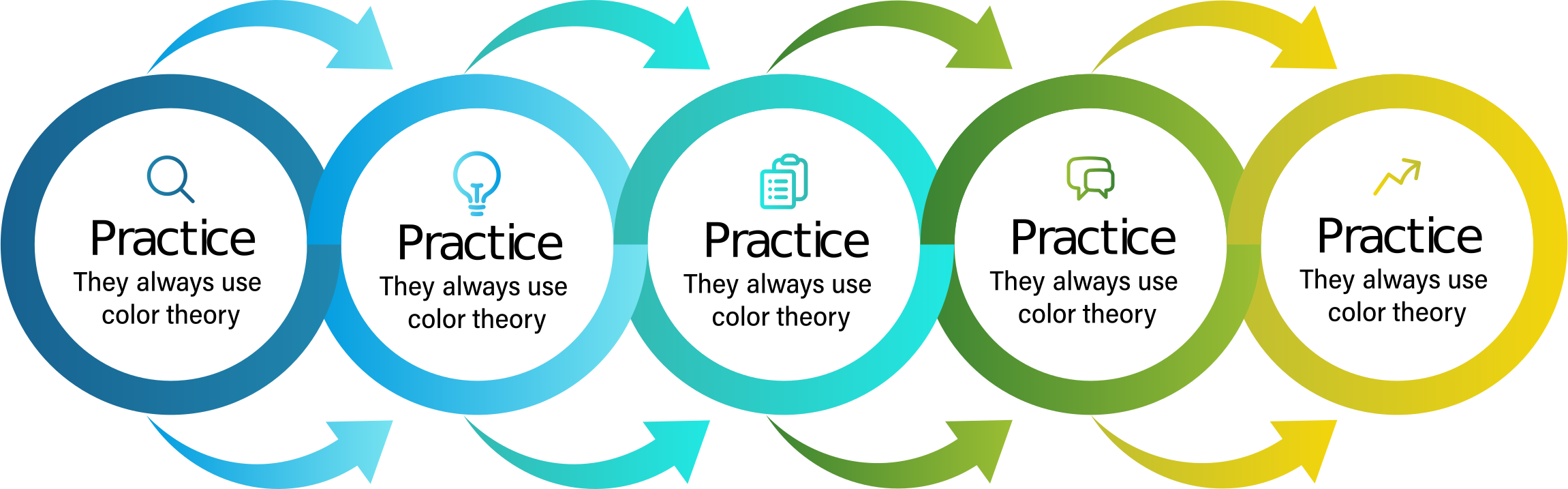
The EMPOWER model is an innovative approach to multicultural education designed specifically for medical and health science students. It promotes cultural humility, reflective competencies, and professional wellness.
- E Effective — Optimizing teaching and learning processes
- M Multicultural — Incorporating cultural diversity into education
- P Professional — Developing empathy and ethical conduct
- O Occupational — Supporting health and well-being
- W Wellness — Creating supportive learning environments
- ER Educational Resources — Practical tools and materials
About MultiCultiMed Platform
MultiCultiMed is a free, interactive educational platform designed for students and educators in medicine and health sciences. It supports the development of cultural awareness, sensitivity and competence through modern, evidence-based learning tools.
Project Outcomes
Partner Universities
Key Topics Covered
Diversity & Inclusion
Benefits of diversity in healthcare, overcoming barriers, and inclusive leadership.
Migration & Health
Impact of migration on health, barriers for migrants and refugees, and transcultural needs.
Cultural Communication
Strategies for effective intercultural communication and collaborative practices in healthcare.
Mental Health
Mental health in multicultural society, acculturation stress, and the Ulysses Syndrome.
Aging Population
Healthcare challenges with aging populations, cultural attitudes toward aging, and ageism.
Ethics & Human Rights
Ethical issues in multicultural medicine, human dignity, tolerance, and patient rights.
MultiCultiMed: Who Is This For?
Our educational resources support the development of cultural awareness and professional competence among various healthcare professionals.

Students
Medicine, nursing, psychology, dietetics, physiotherapy and other health sciences disciplines
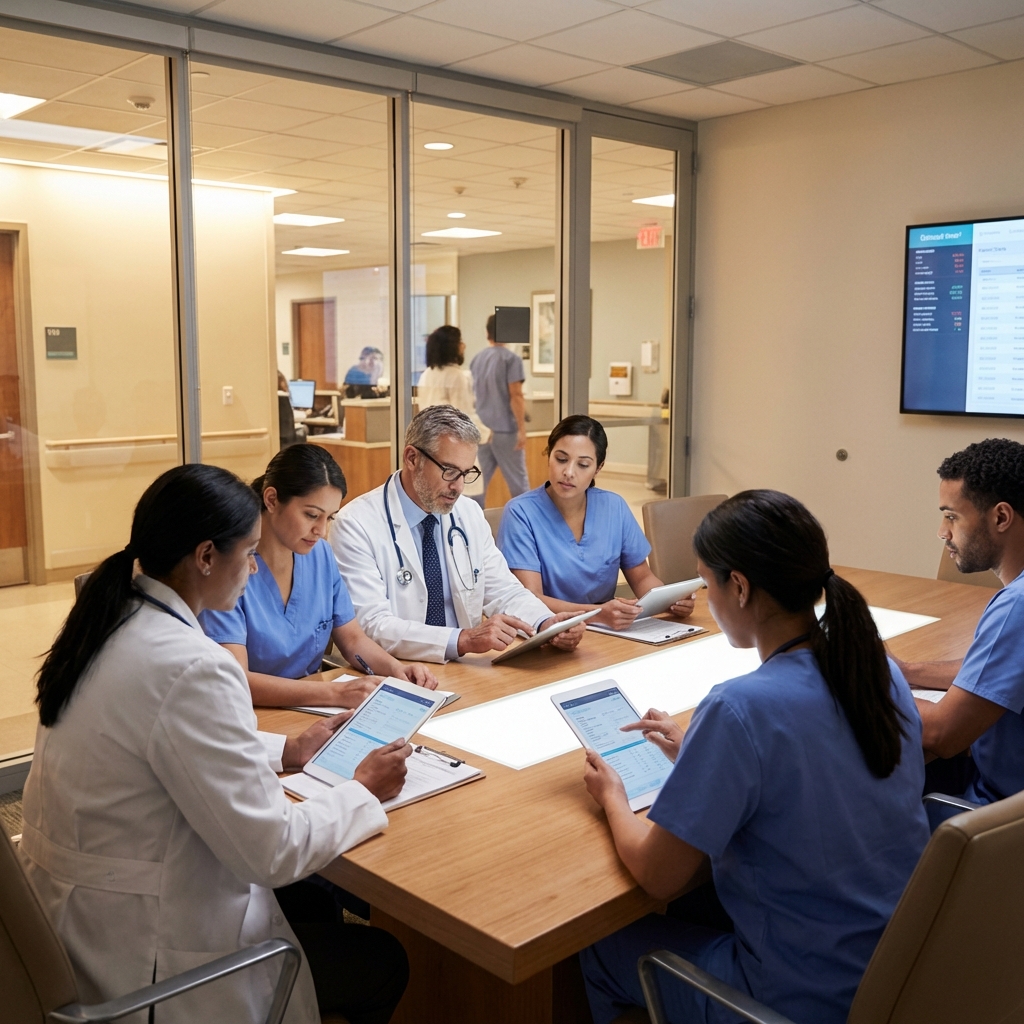
Healthcare Professionals
Doctors, nurses, therapists seeking continuing education in medicine and health sciences education

Educators & Mentors
Teachers and mentors in health sciences education
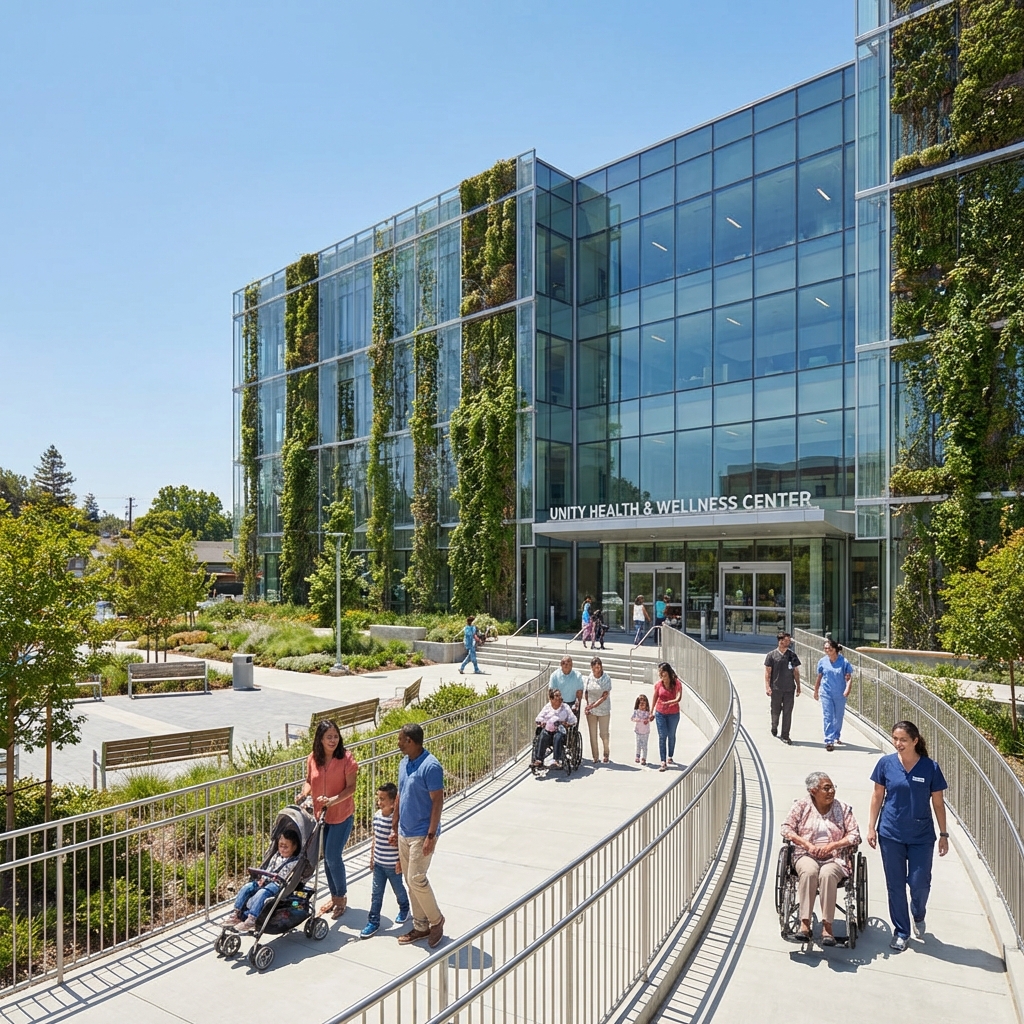
Healthcare Institutions
Hospitals and clinics building inclusive environments
Get Started Today
Join our international team of experts in intercultural medicine. Together, we work on developing competencies for the future of healthcare.
6
Partner Universities
60+
Exercises
14
Handbook Chapters
5+
Languages Available
Every human being has the right to have their cultural and spiritual needs understood, just as much as their physical and psychological needs are expected to be met.— Madeleine Leininger
Founder of Transcultural Nursing